Visio Electrical Engineering Stencil
- Visio 2010 Electrical Engineering Stencils
- Electrical Engineering Definition
- Visio 2003 Electrical Engineering Template
. On the File tab, click New, and then search for Engineering templates. Click one of the following:.
A Windows installer.msi file for Visio 2003, 2007, 2010, 2013, 2016 and 2019 containing sample stencils, templates and documents from the Electrical, Electronics, Electronics Chip Packages, TTL, CMOS, Microprocessor and Analog shapes.visio stencil electrical engineering free downloads. Visio Electrical Stencils Templates. Download Visio Stencils. If you have any further questions regarding the installation of the Visio stencils or need assistance designing your network, please don’t hesitate to contact our technical support department at support@advantech-bb.com or 815-433-5100.
Basic Electrical. Circuits and Logic. Fluid Power.
Industrial Control Systems. Parts and Assembly Drawing. Piping and Instrumentation Design. Plumbing and Piping Plan. Process Flow Diagram. Systems.
TQM diagram. Toxicologic pathology abbreviation. Work Flow Diagram. Choose Metric Units or US Units, and then click Create. The template opens an unscaled drawing page in portrait orientation. You can change these settings at any time.
Drag electrical component shapes onto the drawing page. Shapes can have data. You can enter shape data and add new data to a shape. Enter shape data. Select a shape, right-click, click Data, and then click Define Shape Data.
Visio 2010 Electrical Engineering Stencils
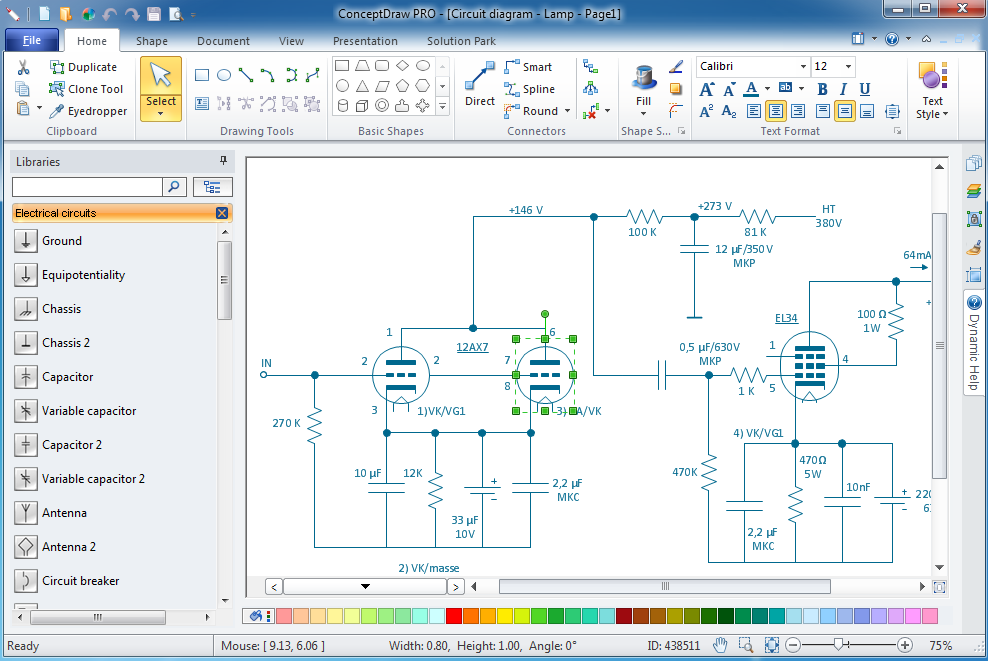
In the Define Shape Data dialog box, click in each item and type or select a value. Use the Connector tool to connect electrical components or connector shapes. Use the Connector tool.
Click the Connector tool. Drag from a connection point on the first shape to a connection point on the second shape.
The connector endpoints turn red when the shapes are connected. Use connector shapes. Drag a connector shape onto the drawing page. Place the connector's begin point on the parent shape (the shape you’re connecting from). Place the connector's end point on the child shape (the shape you’re connecting to).
When the connector is glued to the shapes, the endpoints turn red. Label individual electrical component shapes by selecting the shape and typing. On the File tab, click New, and then under Template Categories, click Engineering. Click one of the following:. Basic Electrical.
Circuits and Logic. Fluid Power. Industrial Control Systems. Parts and Assembly Drawing.
Piping and Instrumentation Design. Process Flow Diagram. Systems. Choose Metric Units or US Units, and then click Create. The template opens an unscaled drawing page in portrait orientation.
You can change these settings at any time. Drag electrical component shapes onto the drawing page. Shapes can have data. You can enter shape data and add new data to a shape. Enter shape data. Select a shape, right-click, click Data, and then click Define Shape Data. In the Define Shape Data dialog box, click in each item and type or select a value.
Connect electrical components using the Connector tool or connector shapes. Use the Connector tool. Click the Connector tool.
Drag from a connection point on the first shape to a connection point on the second shape. The connector endpoints turn red when the shapes are connected.
Use connector shapes. Drag a connector shape onto the drawing page. Place the connector's begin point on the parent shape (the shape you’re connecting from). Place the connector's end point on the child shape (the shape you’re connecting to). When the connector is glued to the shapes, the endpoints turn red.
Electrical Engineering Definition
Label individual electrical component shapes by selecting the shape and typing. On the File menu, point to New, point to Engineering, and then click one of the following:. Basic Electrical. Circuits and Logic.
Industrial Control Systems. Systems These templates open an unscaled drawing page in portrait orientation. You can change these settings at any time. Drag electrical component shapes onto the drawing page.
Shapes can have data. You can enter shape data and add new data to a shape. Enter shape data. Select a shape, and then on the Shape menu, click Shape Data. In the Shape Data dialog box, click in each item and type or select a value. Connect electrical components using the Connector tool or connector shapes. Use the Connector tool.

Click the Connector tool. Drag from a connection point on the first shape to a connection point on the second shape. The connector endpoints turn red when the shapes are connected. Use connector shapes.
Visio 2003 Electrical Engineering Template
Drag a connector shape onto the drawing page. Place the connector's begin point on the parent shape (the shape you’re connecting from). Place the connector's end point on the child shape (the shape you’re connecting to).
When the connector is glued to the shapes, the endpoints turn red. Label individual electrical component shapes by selecting the shape and typing.
Visio Electrical is a Business software developed by Sandrila Ltd. After our trial and test, the software is proved to be official, secure and free.
Here is the official description for Visio Electrical: BS Editor: Visio shapes and symbols for you to create drawings of domestic and light industrial electrical installations. All the shapes have connection points at suitable. Use the standard Visio connector tool connector tool image to join the shapes. Some shapes have a right-click menu e.g. Many of the switches symbols have a menu to select N/O (normally open) or N/C (normally closed) as appropriate.
All shapes have custom properties for manufacturer's data, part numbers etc so that you can create parts lists and inventories using the standard Visio report tools. You can use the kit shapes to create your own transformers by combining and grouping the kit parts to suit your own requirements. You can also add appropriate winding symbols to indicate winding phases.