Brand Examples Of Intensive Distribution
Dec 4, 2014 - The last definition is the correct one.just to add one thing.it's not about geography.at all! The strategy of distribution for a producer / manufacturer can be one of these three depending on your branding level: 1/ intensive distribution strategy: Distribution that puts products into as many retail outlets as.
What Is Intensive Distribution? What products do you buy on a regular basis? What products can you find at any grocery store, drug store, or a multitude of other retail stores? More than likely you answered those questions by naming products such as soap, laundry detergent, toothpaste, or some other everyday item.

Manufacturers of products like soap or toothpaste employ an intensive distribution strategy. Intensive distribution is a marketing strategy that places an abundance of products in many retail locations in many regions. Determining whether or not an intensive distribution strategy is the best strategy to employ is often dependent on factors such as organizational resources or the availability of retail locations. For example, companies with limited resources (anything from financial resources to the ability to produce enough products) may not have the capacity to support an intensive distribution strategy.
Large stores, such as Wal-Mart or Target, are often hard for companies to get their products into, which could limit a company's ability to distribute its products. So, why would a supplier use an intensive distribution strategy? To answer this question let's look at the advantages and disadvantages of intensive distribution.
Advantages of Intensive Distribution So, what are some advantages of intensive distribution? Well, first, money is an obvious answer. The more products you sell, the more money you earn. The more locations that carry a product, the more opportunities there are for manufacturers to make money. An intensive distribution strategy often links a product's earning potential to the number of locations carrying the product. Manufacturers place their products in a lot of locations to make sure you have plenty of opportunities to buy it.
Manufacturers also use intensive distribution as a strategy because it raises product awareness. When products are placed in many locations, it becomes recognizable.
Customers begin to associate commercials and print ads with products regularly seen in stores. Impulse buying can also be seen as an advantage of intensive distribution. Products that use the intensive distribution strategy are often interchangeable. If one brand is not available, customers will usually select another brand rather than going to another store. Disadvantages of Intensive Distribution What problems would employing an intensive distribution strategy create for a manufacturer? One of the problems that manufacturers have with intensive distribution is that sales vary by retail location. Yet, the cost to distribute their product does not fluctuate.
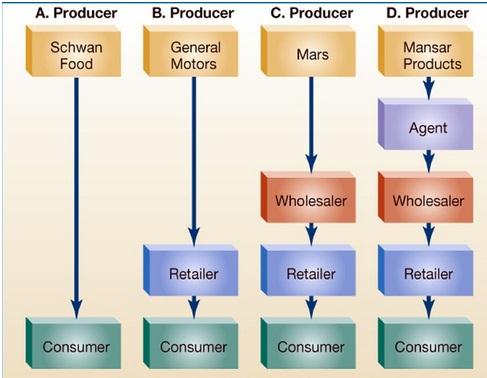
The cost of distributing to multiple locations can be high. Products that are intensively distributed are most often low cost products with low margins. A margin is the revenue left after all costs are subtracted. The products require a quick turnover to be profitable. Intensive distribution uses many retailers over a wide region. It is difficult to control the customer service or customer experience.
In some instances it may be difficult to control product quality. Another area that a manufacturer may experience a lack of control is in its relationship with the retailer. It is hard to develop a close relationship because of the large number of retailers involved. Stores, such as Wal-Mart, Target, or Toys R Us, carry a large selection of products that employ an intensive distribution strategy. Manufacturers have specific customers that they market their products to.
Children are the target market for toys. However, they are not just marketed in specialty stores, such as Toys R Us.

Toys may be found in Wal-Mart, Target, gas stations, or Old Navy. Not all locations will carry as large a selection as what may be found in Toys R Us, so the products that the other stores choose may be chosen for a specific reason, like it complements their other merchandise. Lesson Summary Intensive distribution is a marketing strategy that places products in many retail stores in many regions.
Brand Examples Of Intensive Distribution Products
Manufacturers use an intensive distribution strategy with products that need to be quickly replenished. The advantages of this strategy include money, product awareness, and impulse buying.
Brand Examples Of Intensive Distribution Strategy
The disadvantages include sales vary, low prices/low margins, and lack of retailer control.